Amusement Parks
-
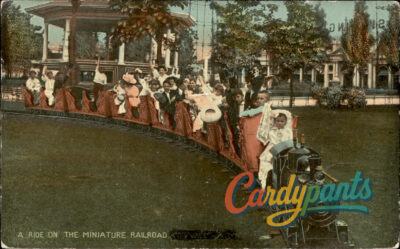
A RIDE ON THE MINIATURE RAILROAD Baker, OK Postcard
$12.99 Add to cart -
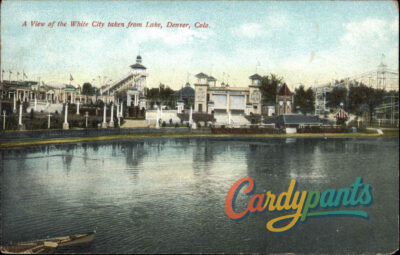
A View of the White City taken from Lake, Denver, Colo. Postcard
$9.99 Add to cart -
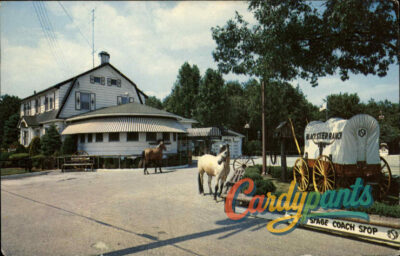
Absecon, N.J. Black Steer Ranch Western Stagecoach Postcard
$9.99 Add to cart -
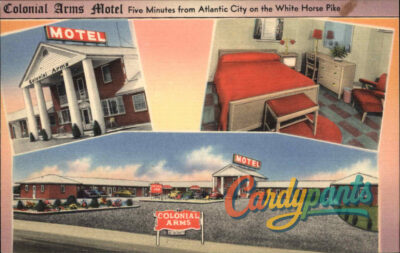
Absecon, N.J. Colonial Arms Motel Vintage Postcard
$9.99 Add to cart -
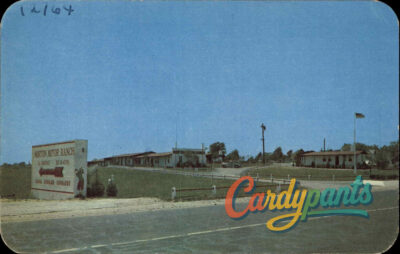
Absecon, N.J. Morton Motor Ranch Vintage Postcard
$9.99 Add to cart -
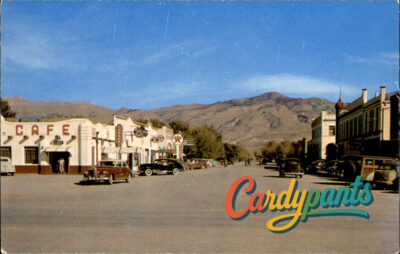
Alamogordo, NM Vibrant Street Scene Featuring Local Businesses Postcard
$9.99 Add to cart -
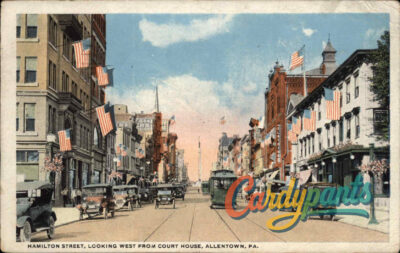
Allentown, PA Historic Streetcar & Automobiles Postcard
$9.99 Add to cart -
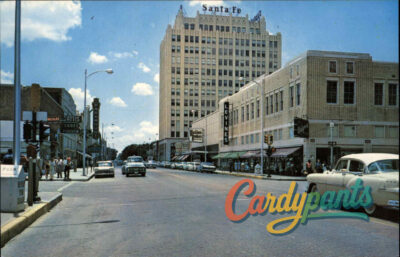
Amarillo, Texas Downtown Street Scene Postcard
$9.99 Add to cart -
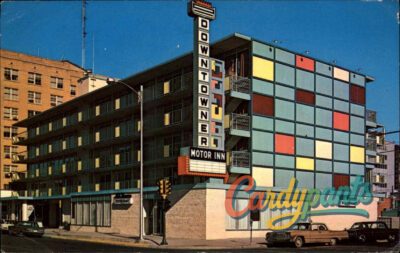
Amarillo, Texas Downtowner Motor Inn Vintage Postcard
$9.99 Add to cart -
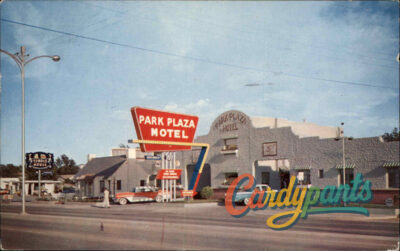
Amarillo, Texas Park Plaza Motel Vintage Roadside Postcard
$12.99 Add to cart -
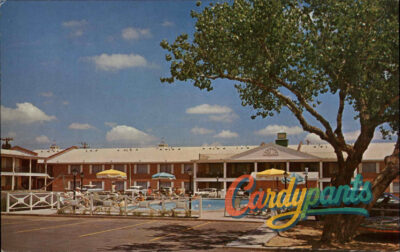
Amarillo, Texas Ramada Inn Poolside Postcard
$9.99 Add to cart -
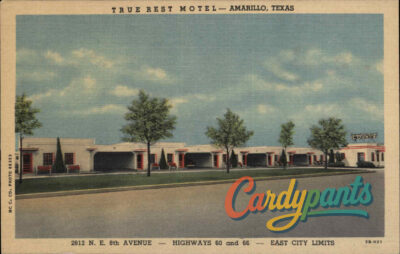
Amarillo, Texas True Rest Motel Route 66 Vintage Postcard
$9.99 Add to cart -

Anaheim, CA Disneyland Frontierland Rivers of America Mine Train and Canoes Postcard
$7.99 Add to cart -
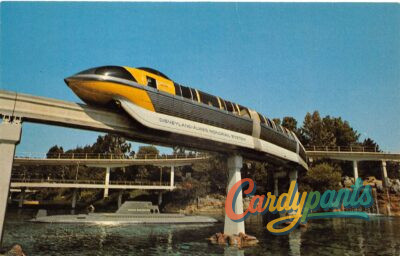
Anaheim, CA Disneyland Tomorrowland Monorail Over Water and Submarine Postcard
$7.99 Add to cart -
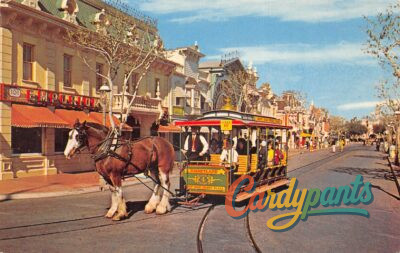
Anaheim, California Horse-Drawn Street Car on Main Street Postcard
$7.99 Add to cart -
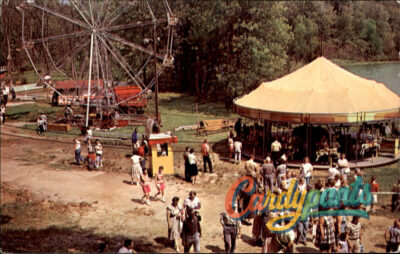
Angola, IN Kiddieland Buck Lake Ranch Amusement Park Scene Vintage Postcard
$14.99 Add to cart -
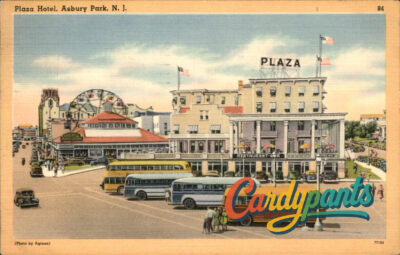
Asbury Park, N. J. Colorful Plaza Hotel Vintage Postcard
$9.99 Add to cart -
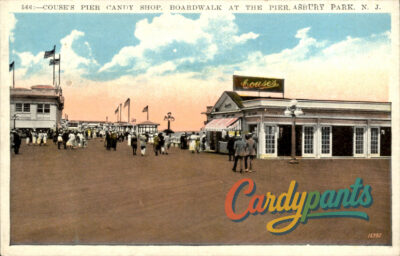
Asbury Park, N. J. Couse’s Pier Candy Shop Boardwalk Scene Vintage Postcard
$12.99 Add to cart -
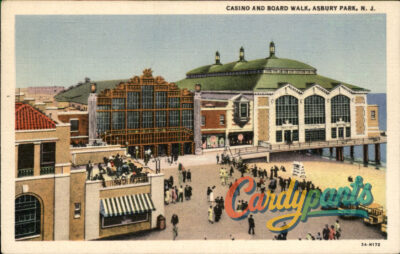
Asbury Park, N. J. Vintage Casino and Board Walk Scenic Postcard
$7.99 Add to cart -
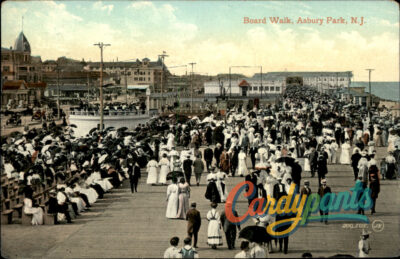
Asbury Park, N.J. Vintage Boardwalk Scene from Early 1900s Postcard
$7.99 Add to cart -
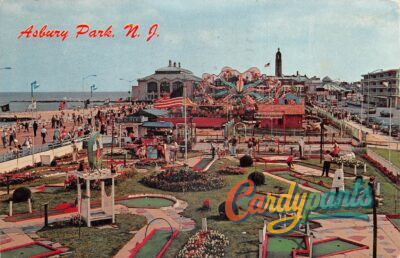
Asbury Park, NJ Golf Course and New Kiddie Rides Postcard
$6.99 Add to cart -
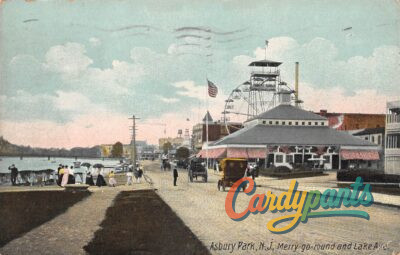
Asbury Park, NJ Merry-go-round and Lake Ave Postcard
$9.99 Add to cart -
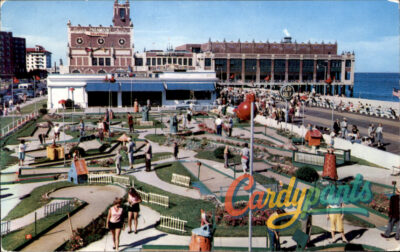
Asbury Park, NJ Scenic View of Paramount Miniature Golf Vintage Postcard
$7.99 Add to cart -
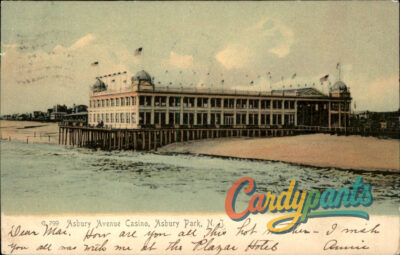
Asbury Park, NJ Vintage Asbury Avenue Casino Scenic View Postcard
$7.99 Add to cart -
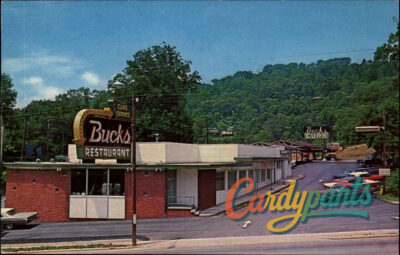
Asheville, N.C. Buck’s Famous Restaurant Vintage Diner Postcard
$14.99 Add to cart -
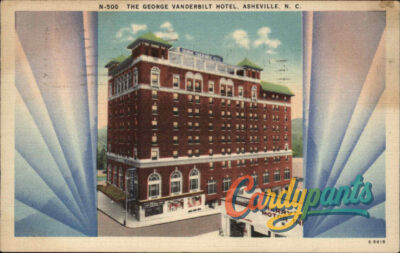
Asheville, N.C. George Vanderbilt Hotel Vintage Postcard
$7.99 Add to cart -
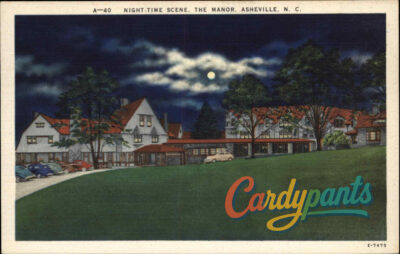
Asheville, N.C. Manor Night-Time Scene Postcard
$7.99 Add to cart -
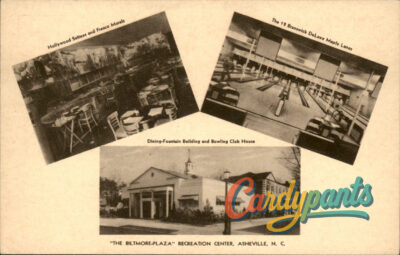
Asheville, NC Historic Biltmore-Plaza Recreation Center Dining and Bowling Postcard
$19.99 Add to cart -
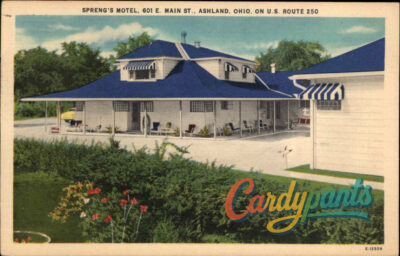
Ashland, Ohio Spreng’s Motel Route 250 Postcard
$9.99 Add to cart -
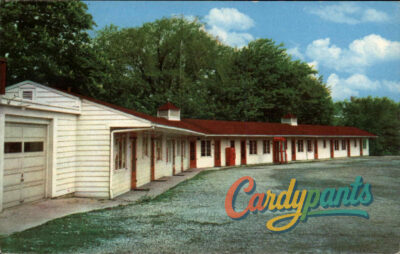
Ashtabula, Ohio Cedar’s Motel Vintage Postcard
$7.99 Add to cart -
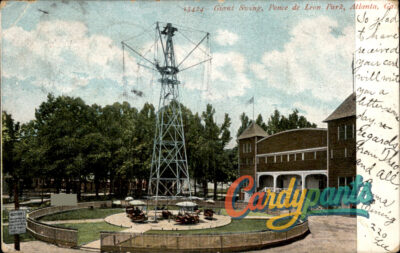
Atlanta, Ga. Giant Swing at Ponce de Leon Park Vintage Postcard
$9.99 Add to cart -
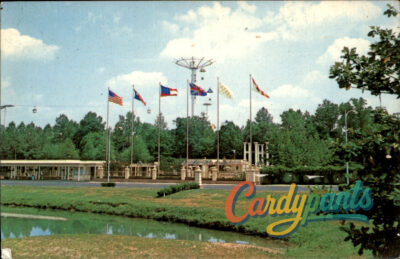
Atlanta, Ga. Vibrant View of Six Flags Entrance Vintage Postcard
$9.99 Add to cart -
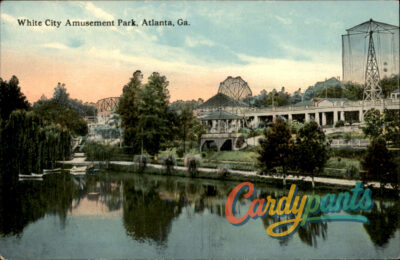
Atlanta, Ga. White City Amusement Park Scenic View Vintage Postcard
$12.99 Add to cart -
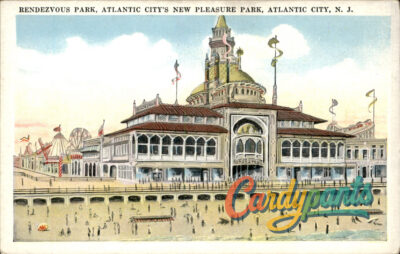
Atlantic City, N. J. Colorful Rendezvous Park Vintage Postcard
$7.99 Add to cart -
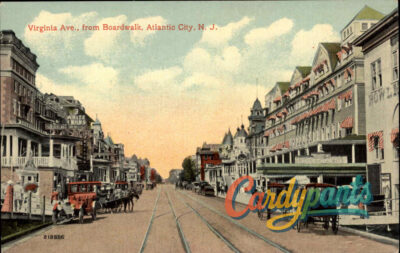
Atlantic City, N.J. Boardwalk Horse-Drawn Carriages Vintage Postcard
$12.99 Add to cart -
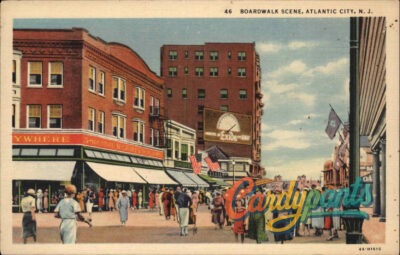
Atlantic City, N.J. Boardwalk Scene Postcard
$9.99 Add to cart -
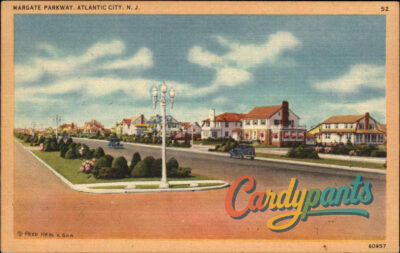
Atlantic City, N.J. Margate Parkway Street Scene Postcard
$7.99 Add to cart -
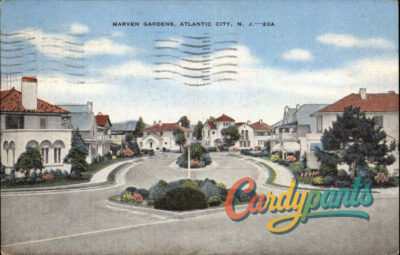
Atlantic City, N.J. Marven Gardens Landscape Postcard
$7.99 Add to cart -
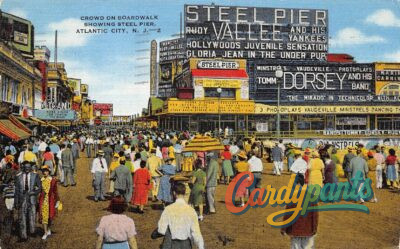
Atlantic City, NJ Boardwalk Crowd Showing Steel Pier Postcard
$6.99 Add to cart -
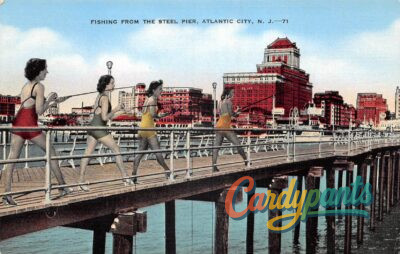
Atlantic City, NJ Fishing from the Steel Pier Postcard
$6.99 Add to cart -
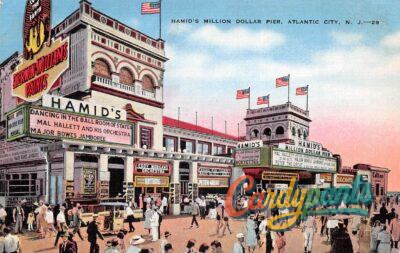
Atlantic City, NJ Hamid’s Million Dollar Pier Boardwalk View Postcard
$7.99 Add to cart -
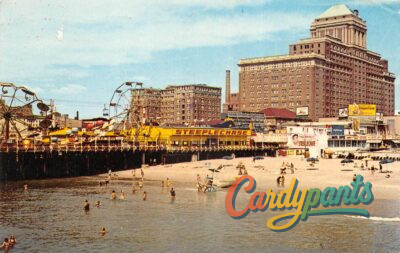
Atlantic City, NJ Ocean Beach and Amusement Pier Postcard
$6.99 Add to cart -
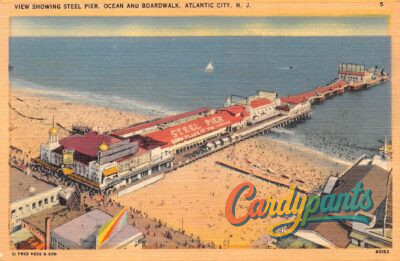
Atlantic City, NJ Steel Pier Ocean and Boardwalk View Postcard
$6.99 Add to cart -
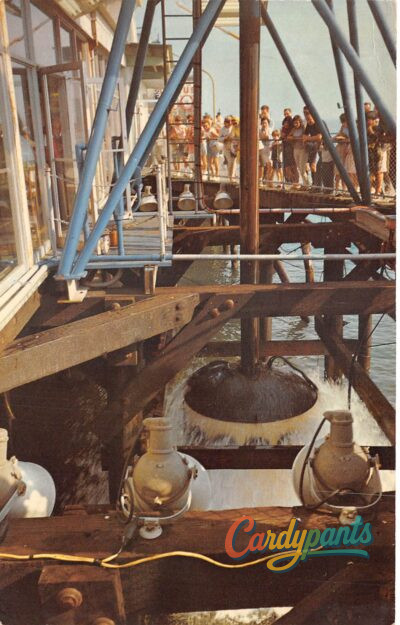
Atlantic City, NJ The Diving Bell at Steel Pier Postcard
$6.99 Add to cart -
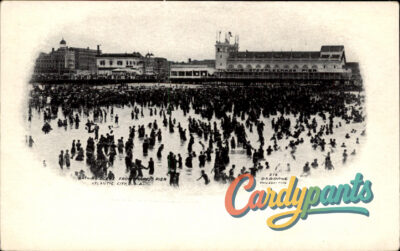
Atlantic City, U.S.A. Bathing Scene from Young’s Pier Vintage Postcard
$9.99 Add to cart -

Auburn, Maine Court Street Cityscape Postcard
$9.99 Add to cart -
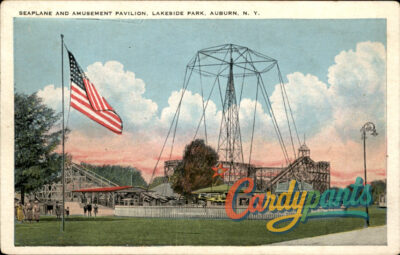
Auburn, NY Seaplane and Amusement Pavilion at Lakeside Park Vintage Postcard
$14.99 Add to cart -
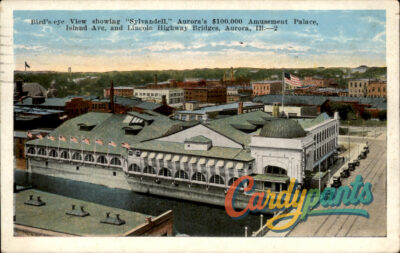
Aurora, IL Bird’s-eye View of Amusement Palace and Bridges Vintage Postcard
$14.99 Add to cart -
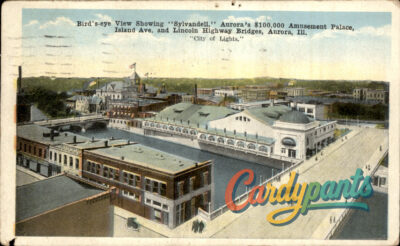
Aurora, Ill. Bird’s-eye View of Amusement Palace and Bridges Vintage Postcard
$9.99 Add to cart -
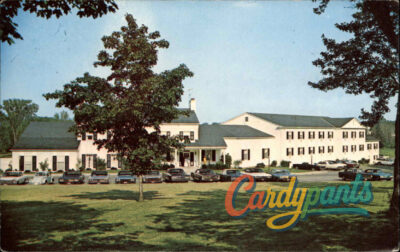
Aurora, Ohio 1969 Aurora Treadway Inn Postcard
$7.99 Add to cart
Vintage Amusement Park Postcards: Reliving the Golden Age of Fun
Welcome to our extensive archive of vintage amusement park postcards, a vibrant celebration of leisure, thrills, and the evolution of American recreation. From the gaslit glamour of early Coney Island to the brightly lit neon signs of mid-century theme parks, these postcards capture the spirit of excitement that defined a century of entertainment. Whether you are a fan of historical architecture, a roller coaster enthusiast, or a collector of travel ephemera, our selection of vintage amusement park postcards offers a thrilling ride through the past.
The Historical Thrill of Park Postcards
In the early 20th century, amusement parks were cultural epicenters, offering an escape from daily life. The vintage amusement park postcard was an essential souvenir, a way for visitors to share the excitement of new attractions with friends and family. These cards served as powerful advertising tools for parks across the globe, showcasing engineering marvels like wooden roller coasters and massive Ferris wheels.
Today, these items are highly prized by collectors for their intense nostalgia and historical value. Collecting vintage amusement park postcards allows enthusiasts to own a piece of “lost” history, documenting parks that have long since closed their gates, such as Riverview Park in Chicago or Steeplechase Park in New York. The vibrant colors and dynamic scenes of the early 1900s printings are a testament to a more whimsical era of design.
Primary Themes in Amusement Park Postcards
Our inventory of vintage amusement park postcards is organized into specialized niches to help you find specific locations, rides, and eras that define your collection:
1. Iconic & World-Famous Parks
Certain locations defined the amusement park experience and remain highly collectible.
Coney Island, NY: The undisputed king of early amusement parks, featuring iconic cards of the Parachute Jump, the Cyclone coaster, and the lively boardwalks.
Blackpool Pleasure Beach, UK: Capturing the British seaside holiday experience with views of historic wooden coasters.
Disneyland & Early Theme Parks: Postcards documenting the dawn of the modern “theme park” era in the 1950s and 60s, a cornerstone of pop culture ephemera.
2. The Roller Coasters & Thrill Rides
For many collectors, the engineering marvels are the main attraction. Vintage amusement park postcards often highlight specific rides in thrilling detail.
Wooden Coasters: Rare images of classic wooden giants that dominated the skyline of early parks.
The Ferris Wheel: A global icon of fairgrounds since the 1893 World’s Columbian Exposition.
Dark Rides & Funhouses: Postcards with unique, spooky illustrations promoting classic “ghost trains” and walkthrough attractions.
Water Rides: Scenic views of classic Shoot-the-Chutes and log flumes that offered relief on hot summer days.
3. The “Lost Parks” of America
Perhaps the most poignant category, these postcards are visual memorials to beloved regional parks that are no longer operational.
Riverview Park (Chicago): Sought-after cards documenting a legendary park that closed in the 1960s.
White City Parks: A series of “White City” parks existed across the US, all linked by a common architectural theme.
Local & State Fairs: Ephemera related to traveling carnivals and local fairs that offer a snapshot of small-town America at play.
The Artistic Mediums of Park Ephemera
The visual style of vintage amusement park postcards is a vibrant study in commercial art:
Chromolithography (1890s–1910s): Characterized by dynamic, artist-rendered scenes that made parks look larger-than-life with rich, saturated colors.
Real Photo Postcards (RPPC): Authentic photographs offering a candid look at park attendees, employees, and specific, unglamorous views of the attractions. A rare RPPC amusement park postcard of a specific local park is often a unique historical find.
Linen Postcards (1930s–1950s): Known for their textured finish and bright, almost surreal colors, these defined the mid-century look of American leisure.